Alchemy
Built by us. Optimized for you.

Alchemy is our open-source CMS—developed by BLISH, continuously evolved by us, designed for ambitious digital projects. As the creators and maintainers of Alchemy CMS, we know every line of code and every technical nuance.
For years, we've worked successfully with clients—not as external vendors, but as trusted partners supporting long-term digital initiatives. This expertise is available to agencies and partners—for maintenance, hosting, and custom implementations.

Content and layout decoupled
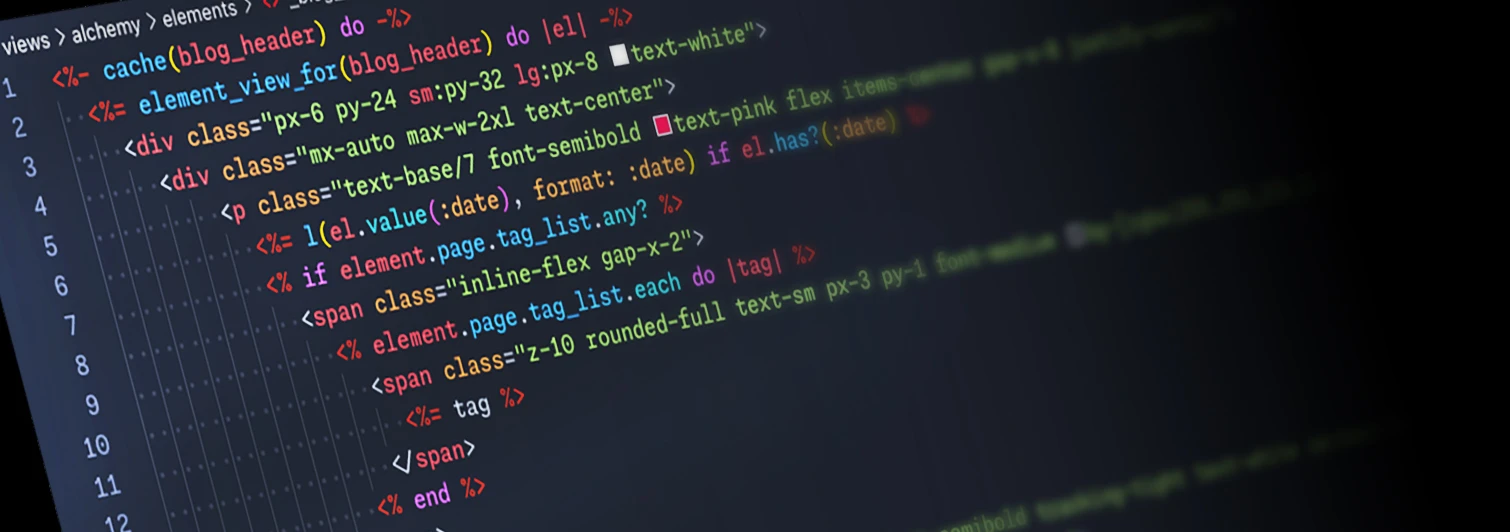
Alchemy stores content independently of layout. This creates structural clarity, simplifies maintenance, and makes content reusable—whether web, app, or API.
What this means: Maintain content once, use everywhere. No dependencies between design and data. Perfect for complex sites with many pages and languages.

Modular and extensible
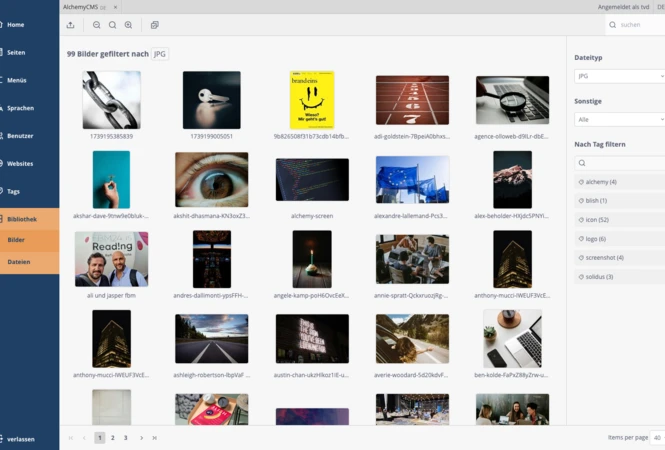
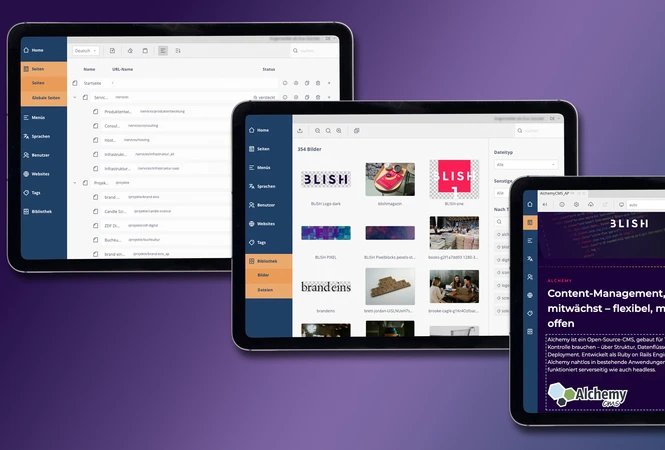
Six core modules (pages, languages, sites, users, tags, library) form the foundation. Everything else extends as needed.
This makes Alchemy flexible: New features plug in without bloat. You get exactly what you need—nothing more, nothing less. Clean architecture.

Built for speed
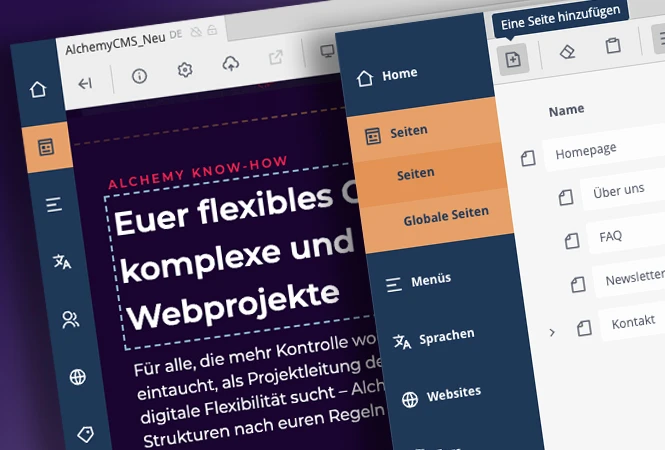
The interface is optimized for rapid content work. Create, edit, structure—no training required. With live preview in context.
Time saved: Editorial teams are productive immediately. No lengthy training, no complex manuals. Intuitive for non-technical users.

API-first for modern stacks
Via the integrated JSON API, Alchemy integrates seamlessly with modern frontends like React, Vue, or Nuxt. Ideal for headless architectures.
What this means: Alchemy as content backend, your frontend as independent application. Maximum flexibility in technology choice. Complete control over performance.

Multilingual and multi-site
Multiple languages and sites managed from a single instance. No workarounds. No plugin hacks.
Simplified: One system for all sites and languages. Central management, unified updates, reduced maintenance. Perfect for international companies or agencies.

Security through role-based access
Access control is granular. Permissions are role-based—for editorial teams, developers, or external partners.
What this protects: Users see and access only what's relevant to their role. No accidental changes to critical areas. Complete control over permissions.